
Few ghost stories have cast a longer shadow than Shirley Jackson’s The Haunting of Hill House, first published in 1959. Its exploration of loneliness, grief and the fragile boundaries between psychological distress and the supernatural have inspired Robert Wise’s celebrated 1963 film The Haunting and Netflix’s acclaimed 2018 series. Now, Stef Smith brings Jackson’s classic back to the stage in a new touring production, directed by Martin Constantine and arriving at Manchester’s Palace Theatre this Halloween with some impressive theatrical tricks- if not quite a treat of story to match.
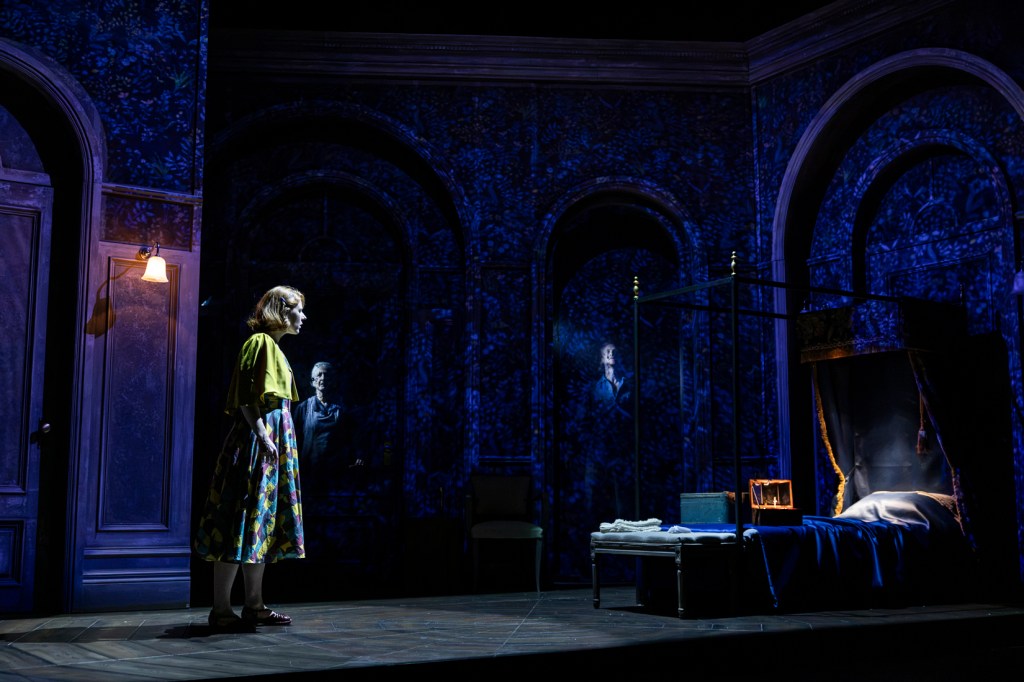
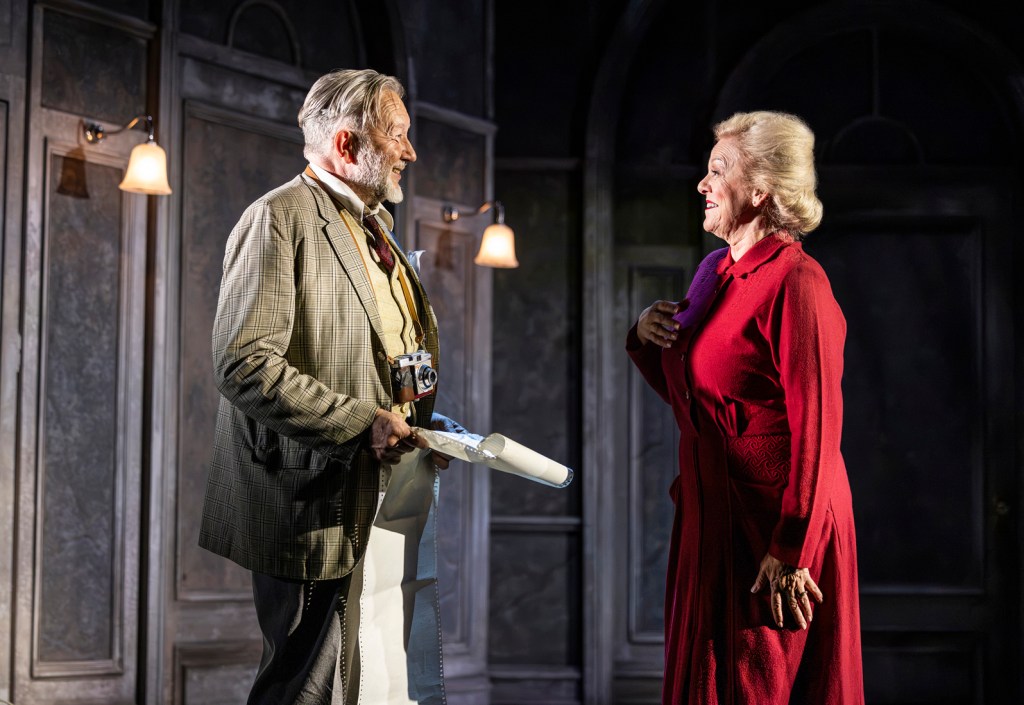
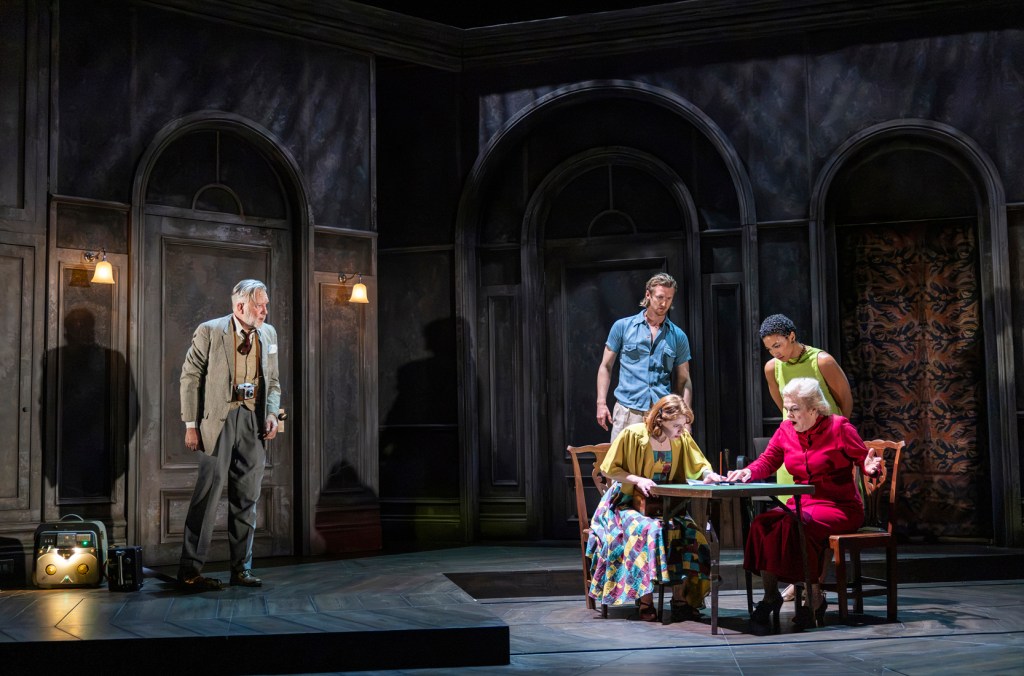
Dr Montague (Jasper Britton) gathers a group of strangers at the notoriously unsettling Hill House to investigate its paranormal reputation. Among them is Eleanor (Clancy Ryan), a vulnerable young woman whose troubled past makes her particularly susceptible to the house’s strange allure. As unexplained disturbances begin to unsettle the group, the question becomes not simply whether Hill House is haunted, but whether its greatest horrors might lie within the minds of those who enter it.
Ryan makes for a compelling centrepiece, charting Eleanor’s gradual transformation with a mixture of fragility and quiet intensity. There is a yearning beneath her fascination with the house, making her increasingly uneasy relationship with it all the more intriguing. Elsewhere, in Act 2, Jemma Churchill brings welcome energy to Mrs Montague, injecting a burst of eccentricity into proceedings, while the wider company- including Britton, Sophie Lenglinger, Robin Morrissey and Sian Howard- provide engaging support and navigate the shifts between psychological tension and lighter moments with confidence.
Yet the evening’s real stars are found behind the scenes. Chris Davey’s lighting design is extraordinary, transforming Ti Green’s mostly sturdy set into a place where familiar architecture becomes threatening and darkness seems to acquire a life of its own. Shadows stretch, spaces distort and the boundaries of the stage become deliciously uncertain. Paired with Will Houston’s illusions, the effects produce moments of genuine theatrical wonderment, making excellent use of live theatre’s unique ability to unsettle an audience sharing the same space.
Unfortunately, the writing struggles to sustain the atmosphere so skilfully created by the technical team. Smith’s adaptation takes significant liberties with Jackson’s source material, establishing a version of the story that does not always justify its departures. Rather than allowing dread to accumulate through uncertainty, the narrative too often feels intent on delivering explanations and revelations. The result is a production with plenty to show us, but less to leave us pondering.
The ending is particularly frustrating. In attempting to provide a fully rounded conclusion, Smith tidies away the ambiguity that makes Jackson’s work so enduring. That final layer of unease- the nagging uncertainty over whether the true horror lies- is buffed and varnished until much of its unsettling power disappears.
There’s plenty to admire, but this haunting never quite gets under the skin. Smoke and mirrors do wonders to allow the illusions room to breathe- astonish, even; but any real menace is lost in the shadows.
The Haunting of Hill House plays at Manchester’s Palace Theatre until October 31st. Further information and booking details can be found here.
Tickets received in exchange for an honest review. #AD
Photography by Pamela Raith.

