

Entering the Octagon’s studio space, the first thing that hits you is the smell. Lynx Africa, sprayed generously around the set, brings an almost comic familiarity, evoking the bedrooms of a thousand teenagers across Britain. Then your eye settles on the Sports Direct mug perched on a side table with Grand Theft Auto posters strewn across a wall and you know at once you’re in a world both ordinary and brutal, funny and heart-breaking. Anna Jordan’s Yen doesn’t need spectacle. Its power lies in stripping life bare- exposing fragility, animal instincts and the quiet devastation of poverty.
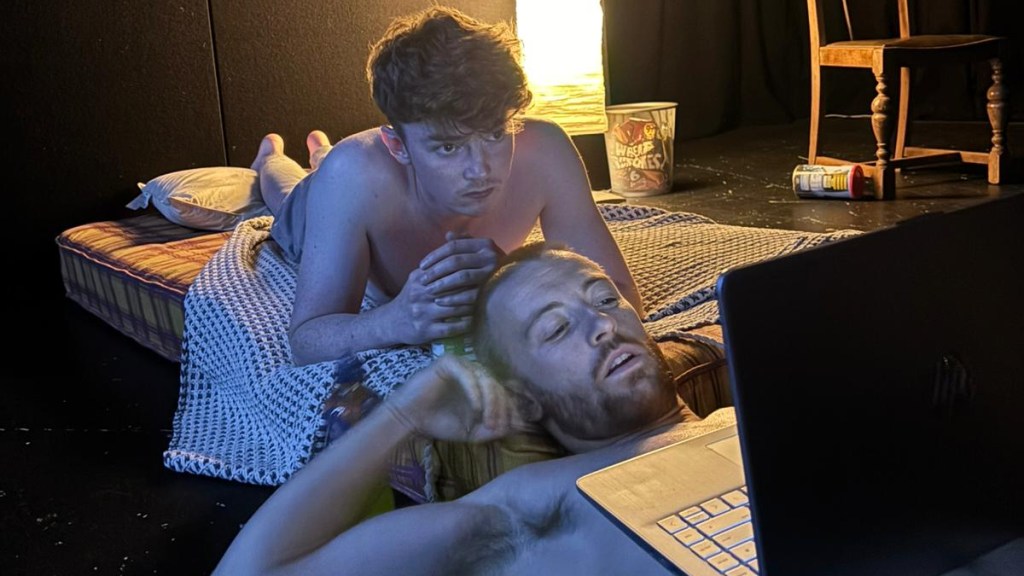
At the centre are two brothers, Hench (Adam Owers) and Bobbie (Jonny Grogan), left to fend for themselves in a council flat. They exist in a liminal state between boyhood and adulthood, both feral and vulnerable. Owers’ Hench is remarkable; he conveys trauma through the smallest shifts of breath and gaze, his micro-acting charting a boy teetering on collapse. Grogan’s Bobbie is all erratic energy, ricocheting between bravado and neediness. Together, they embody co-dependency in its rawest form: bonded by love, but suffocated by it, too.
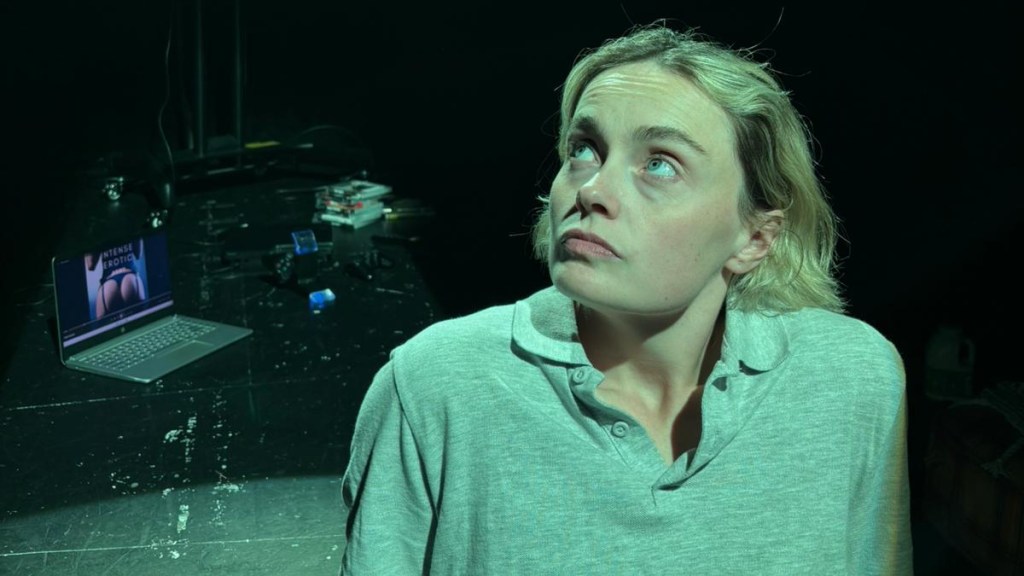
When Jennifer (Lucy Eve Mann) arrives, she doesn’t so much disrupt their lives as reveal the fault lines already fracturing them. Mann plays her with a delicate balance of empathy and blunt truth- she sees their hunger, their pain, yet refuses to patronise; a portrayal that effortlessly brims with conviction. Then there’s Maggie, their mother, played with devastating precision by Vicky Binns. She is both the architect and the victim of the generational trauma that runs through the play. Binns ensures Maggie never slips beyond tangible and into caricature: she is pathetic, funny, desperate- and entirely real.
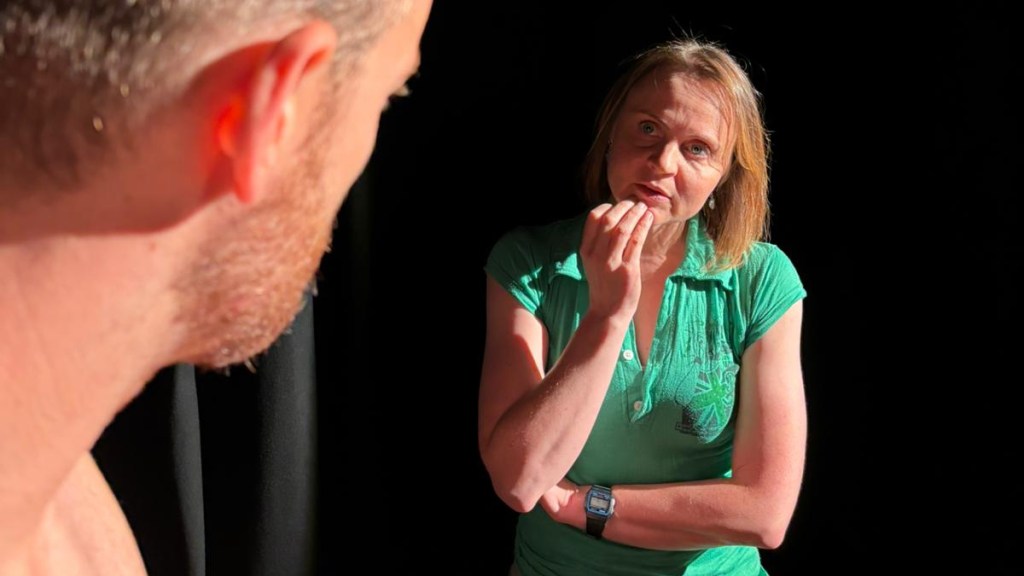
Connor Goodwin’s direction (with Associate Direction from Jess Gough) is faultless. Expert without ever being showy, it ensures the physical and intimate moments land with shattering force. The fight, flight and freeze of survival instinct are embedded in every movement and they ensure the cast inhabit both the cramped flat and their internal worlds with absolute conviction.
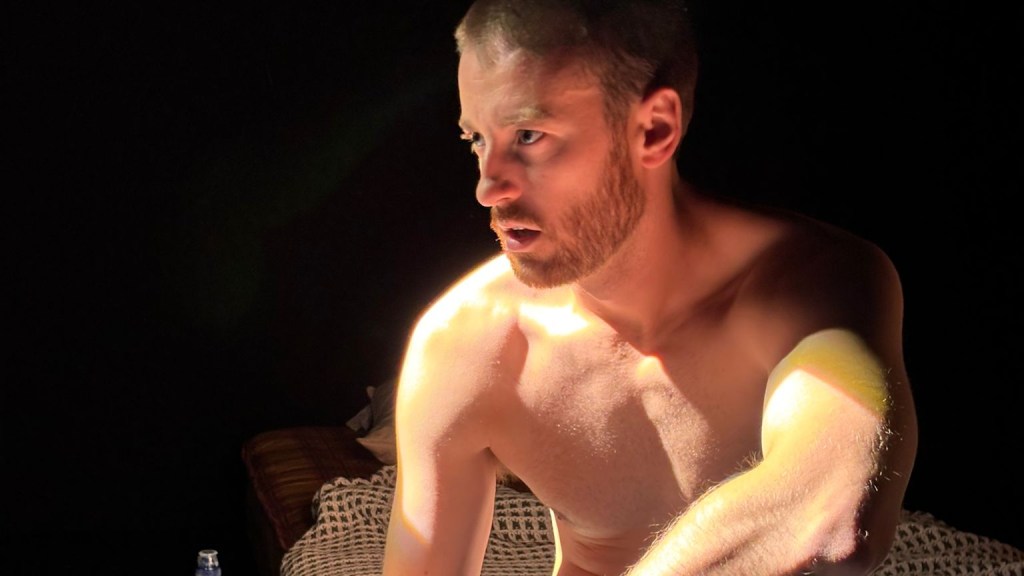
Jordan’s writing is, quite simply, perfect. Its dialogue is mesmerising, capturing the rhythms of speech and silence that form the texture of these characters’ lives. She lays bare the complexities of co-dependency and attachment trauma with a precision that never feels forced. It’s primal, visceral work- and it carries grief in its bones.
Yes, there are moments when sight lines make it difficult to take in the full direction and set, but this is down to the studio space rather than the company. What you do catch is an unflinching, intimate reality: fragile boys circling each other like wounded animals, their world both painfully specific and universally recognisable.
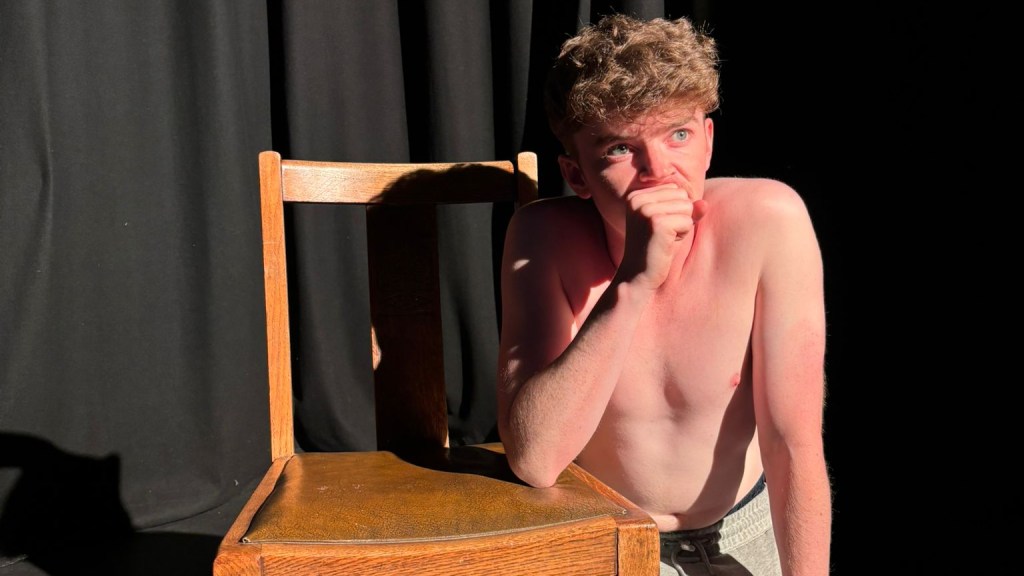
On a personal note, as someone who has experienced childhood trauma, this play resonates in ways which may be out of reach for those fortunate enough to have not. It isn’t a play you should enjoy. It’s a play to be endured. And in enduring it, you witness a faultless depiction of generational trauma- one that will sit heavy in your chest long after you leave the theatre. The Octagon and Divided Culture Co’s Yen doesn’t just ask to be watched; it demands to be felt.
Yen plays at the Octagon in Bolton until 13th September before a short run at the Alphabetti Theatre in Newcastle. Further information can be found here; don’t miss this incredible regional piece.
Tickets received in exchange for an honest review. #AD
Photography provided by the production.
 Stagey Reviews